Learn
Martech, explained
Short videos that explain martech the way it is built, bought and run: the platforms in a stack, where one ends and the next begins, what they cost, and how teams work with them.
24 films · 2 to 3 minutes each · a new film every Wednesday · every film with a transcript
Start here · 2:52
CDP architectures, explained
Packaged, composable, dual zone and agentic: how to read a CDP diagram, the four jobs every CDP does, and who holds each one in every architecture.
Watch the first film →CDP architectures
What each architecture is, who holds the four jobs, and when the warehouse can take them.
- 01
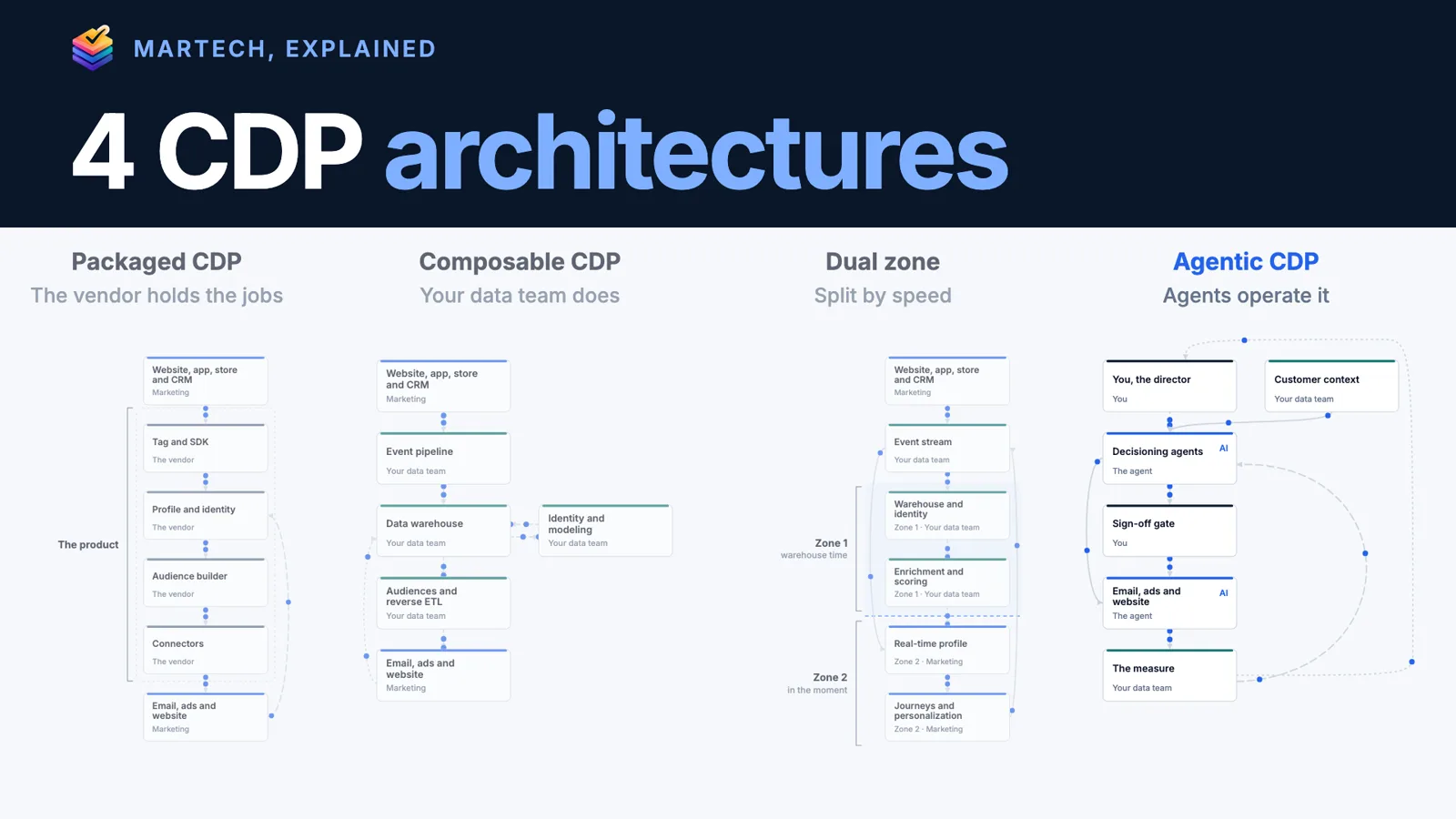 CDP architectures, explained Four jobs, four ways to split them: packaged, composable, dual zone and agentic differ in who holds each job. 2:52 2:52
- 02
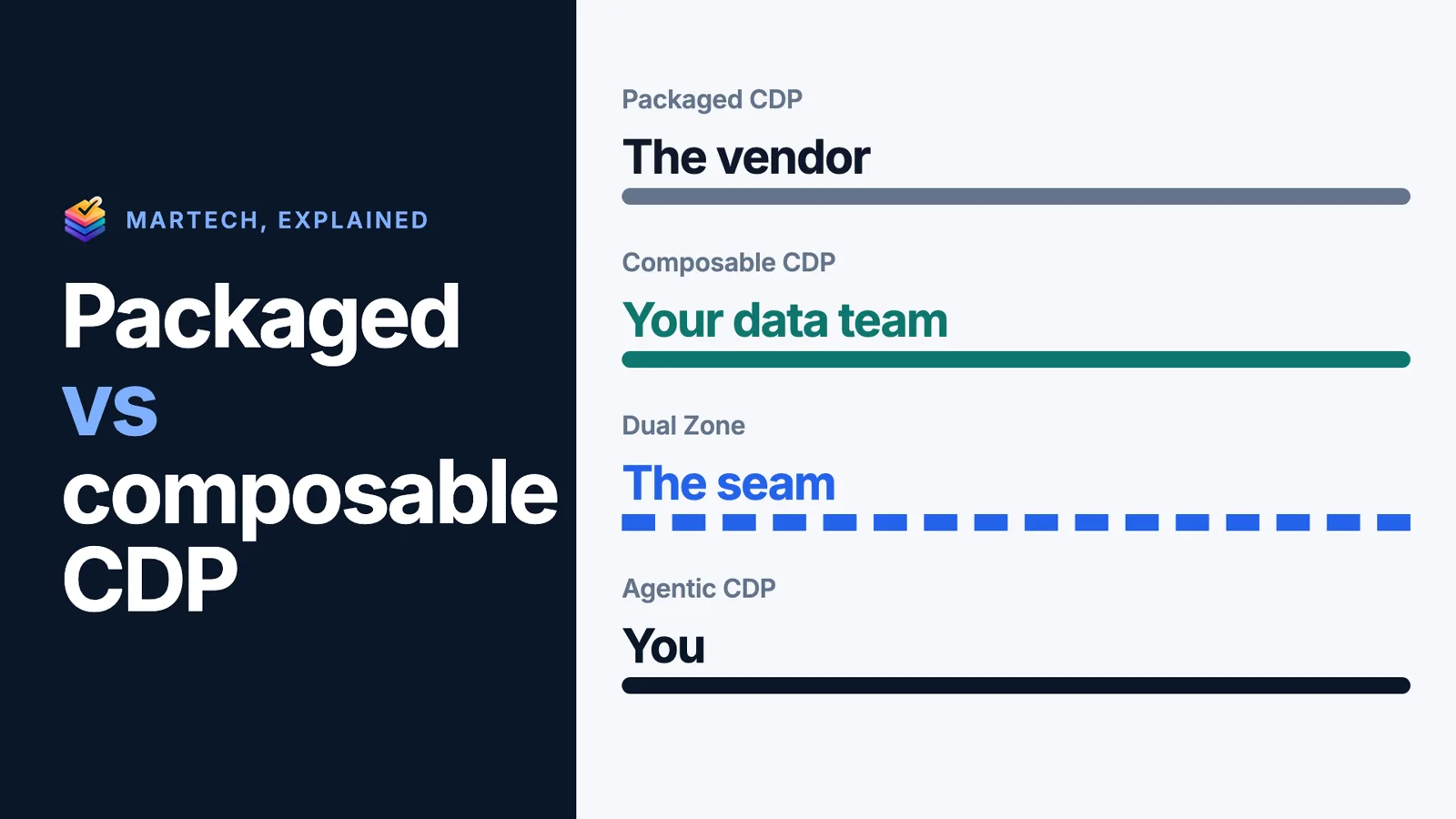 Packaged vs composable CDP: one brief, four architectures Same brief, four CDP architectures. None of them wins; each moves the work to someone else. 3:19 3:19
- 03
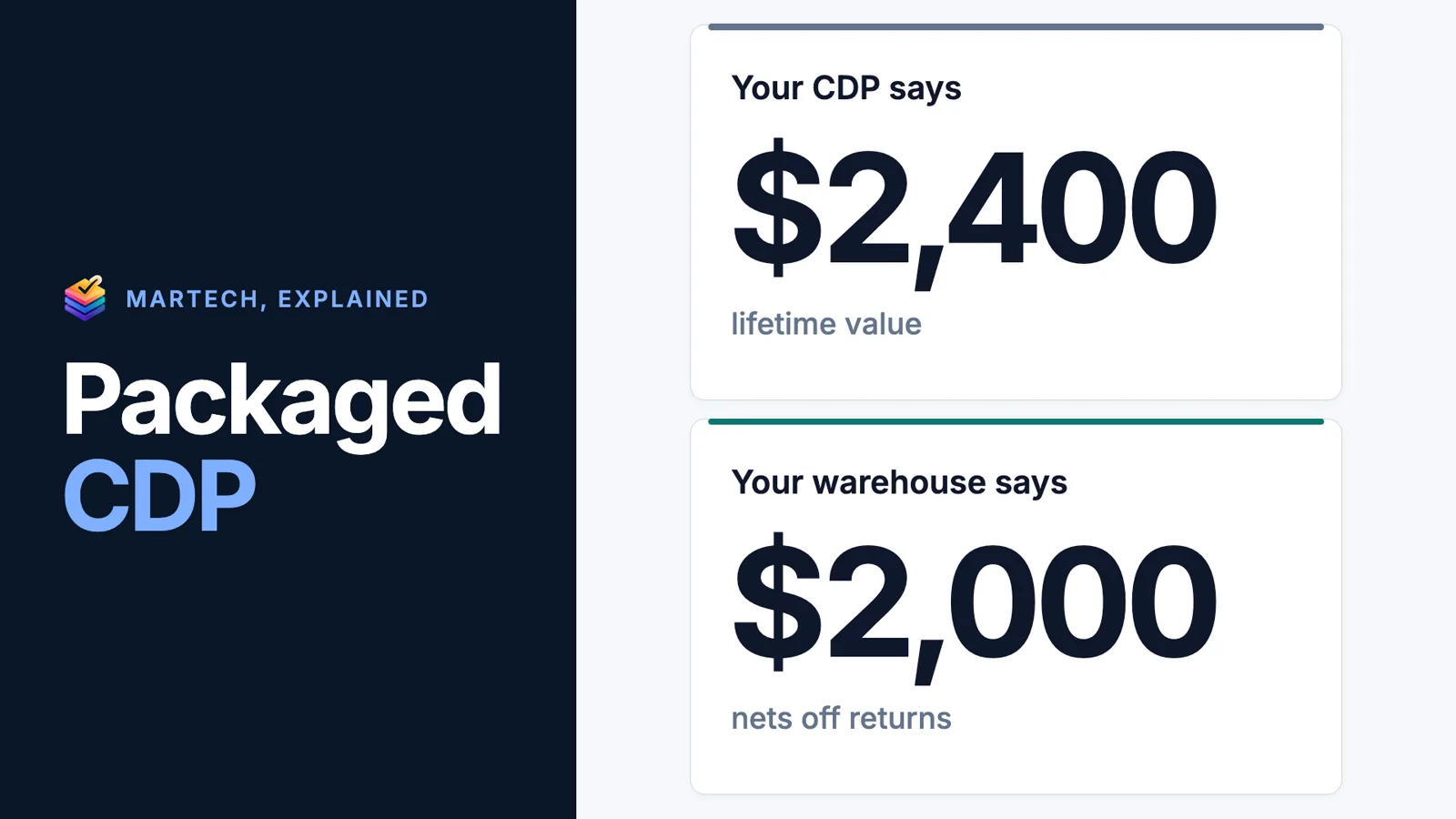 Packaged CDP, explained The same four jobs in one product, with the rules kept inside the box. Before you sign, ask what it would take to leave. 2:21 2:21
- 04
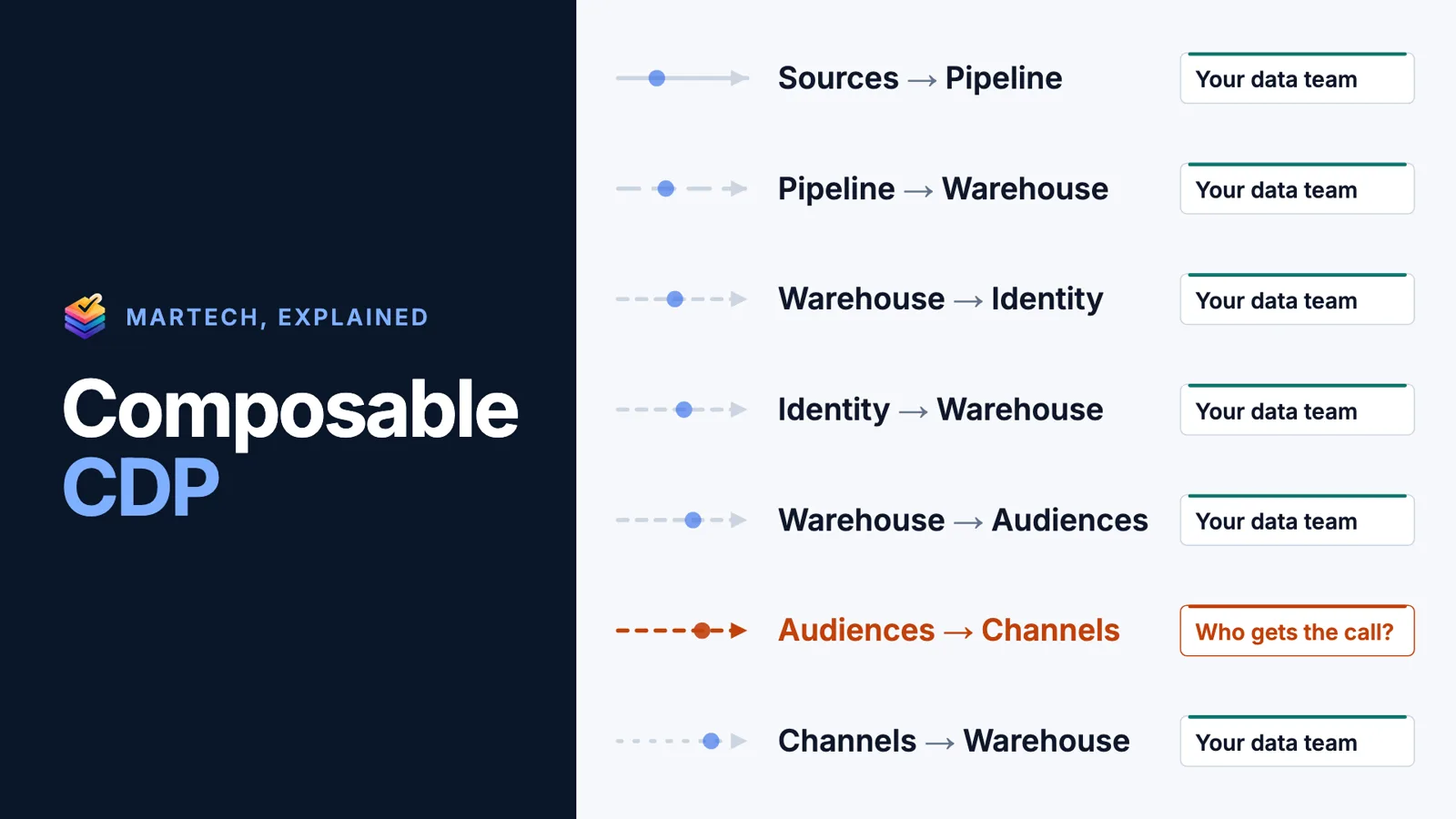 Composable CDP, explained The same four jobs in tools you pick, with the wiring in between yours to run. Decide who gets the call at two in the morning. 2:10 2:10
- 05
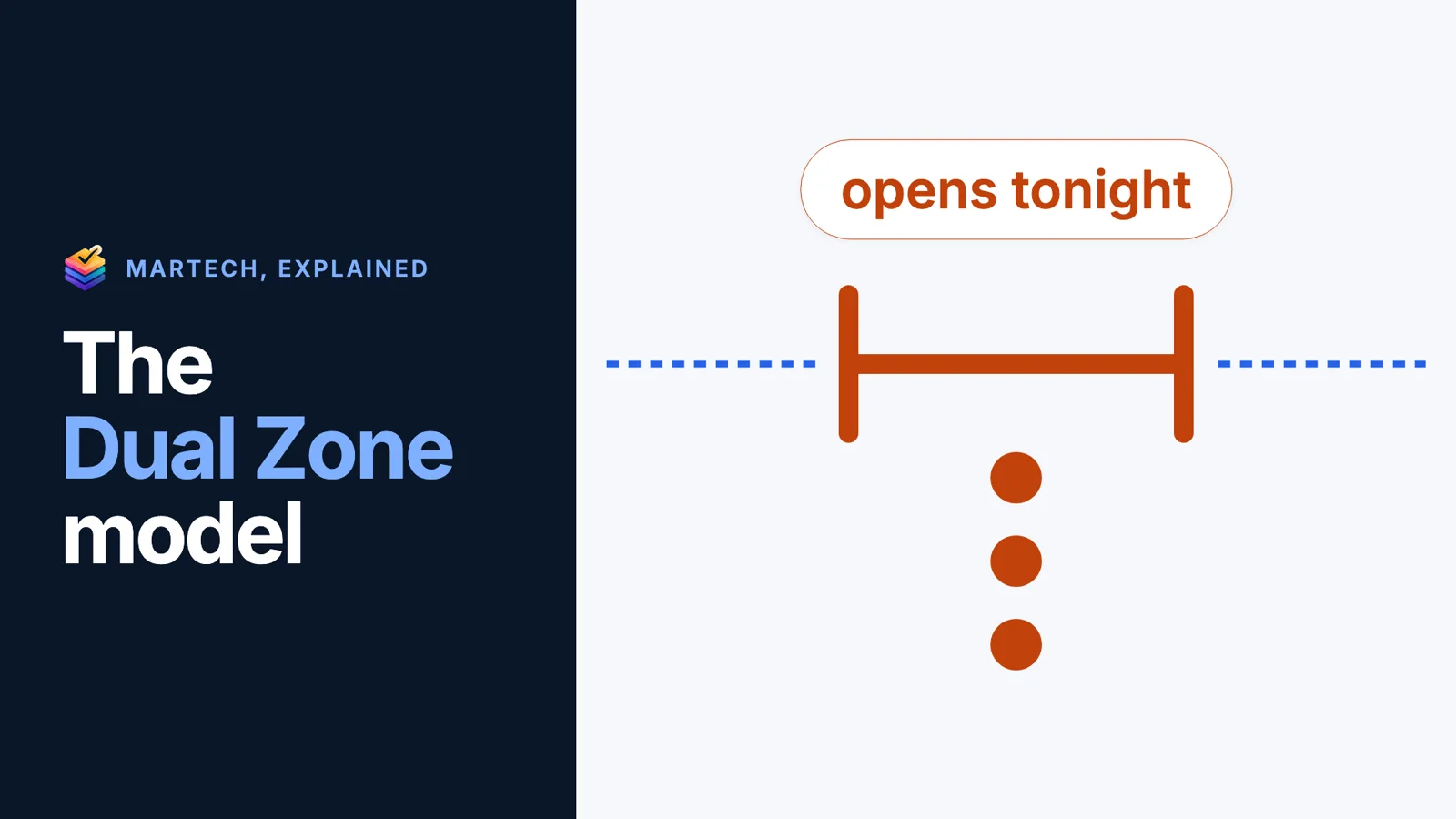 The Dual Zone model, explained Heavy work on warehouse time, decisions in the moment, one handoff in between. Based on David Chan's Dual Zone model. 2:28 2:28
- 06
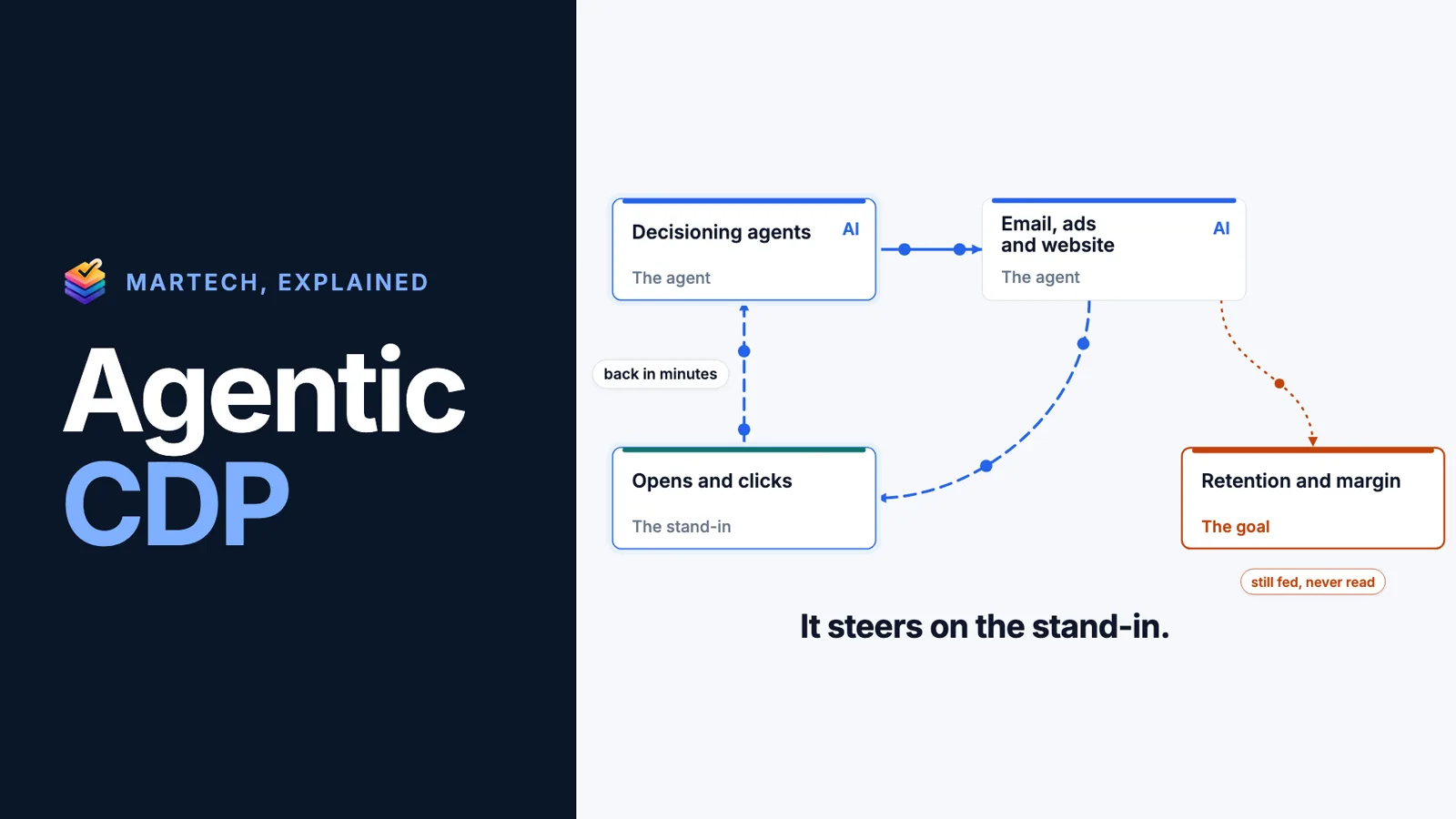 Agentic CDP, explained The same CDP with a new operator. It steers on what you measure, so write the goal with care. 2:00 2:00
Platforms side by side
Where one platform ends and the next begins.
- 01
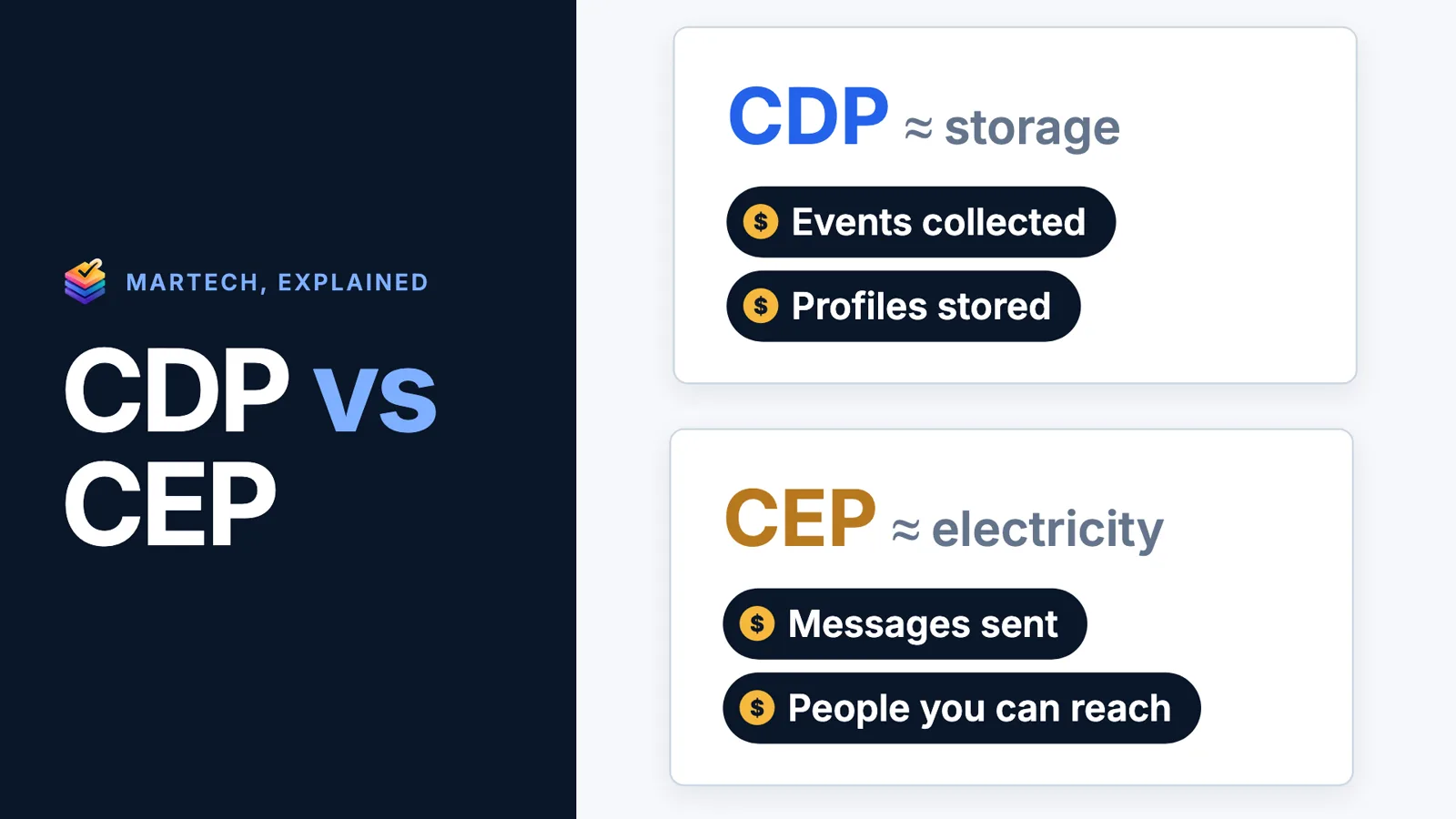 CDP vs CEP: what each one does The CDP knows who. The CEP gets the message there. Name which one owns the profile and which owns the segments. 2:13 2:13
- 02
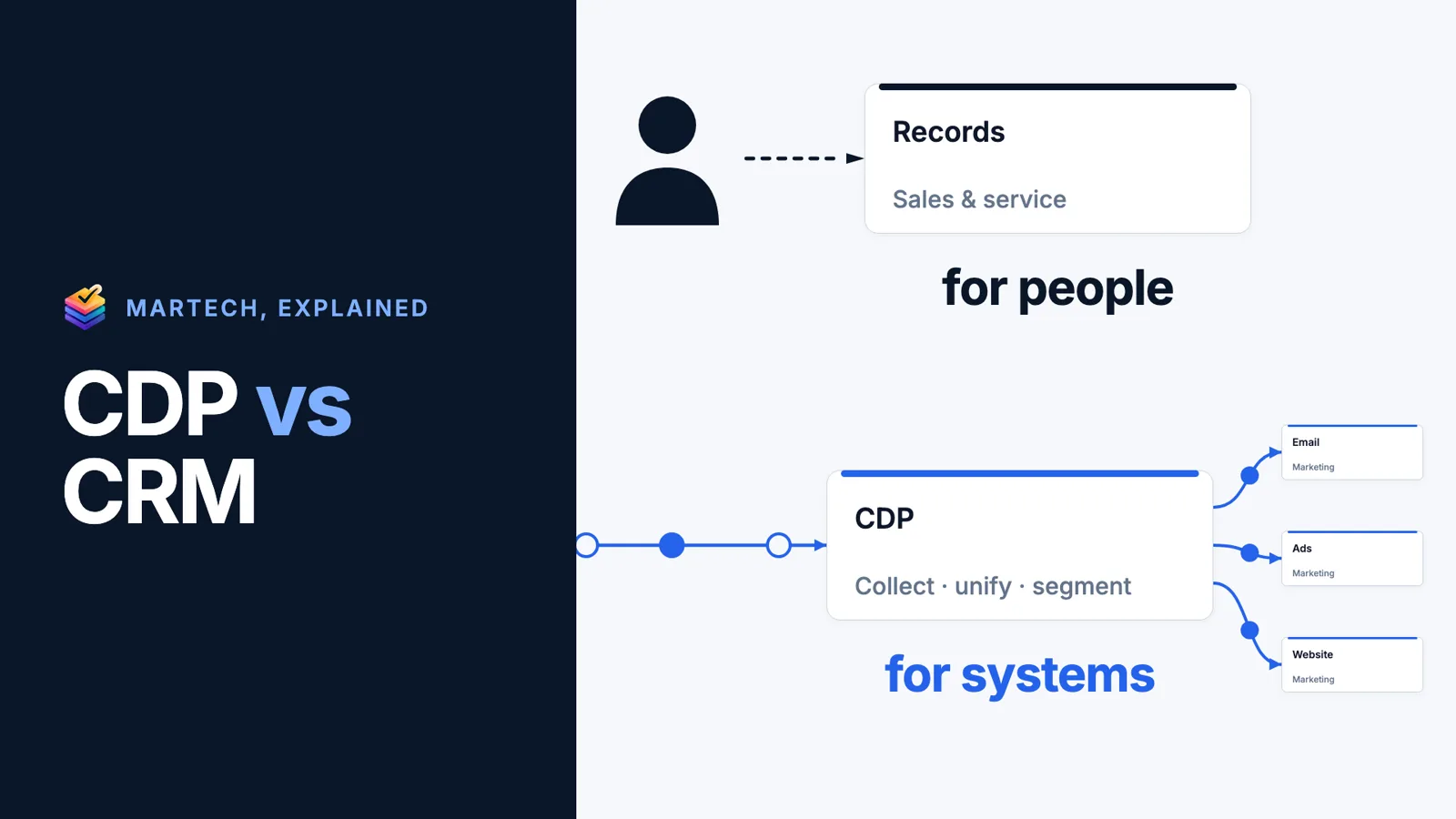 CDP vs CRM, and the CEP between One customer, two systems built for two different jobs. Decide which system owns what before you connect them. 2:35 2:35
- 03
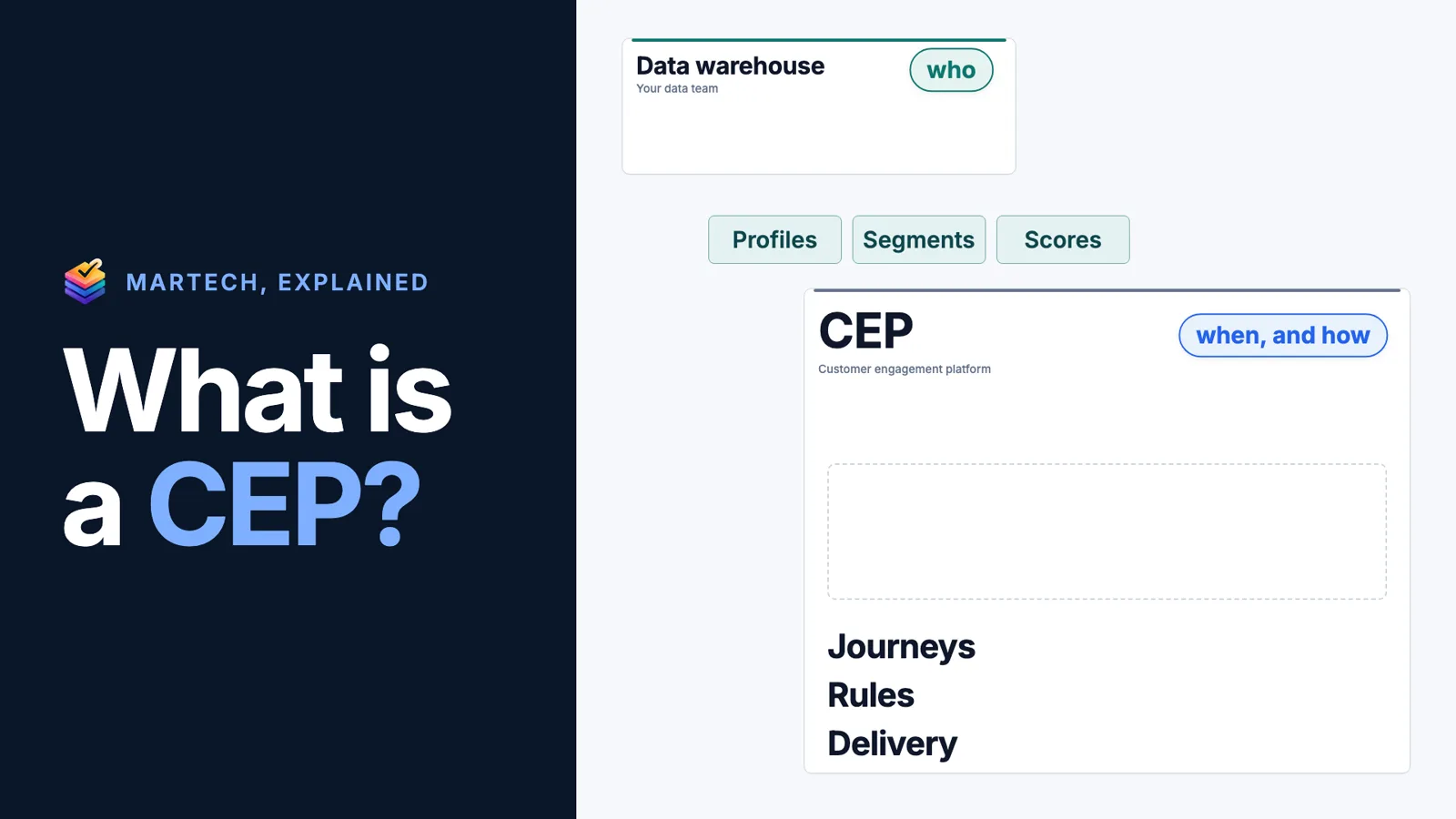 What is a CEP? The warehouse decides who. The CEP decides when, and how. 2:15 2:15
All 3 films in Platforms side by side → Coming: ESP vs CEP: why they are merging and CDP vs DMP
Content and channels
The systems that hold your content and put it in front of people, and what each one needs from your data.
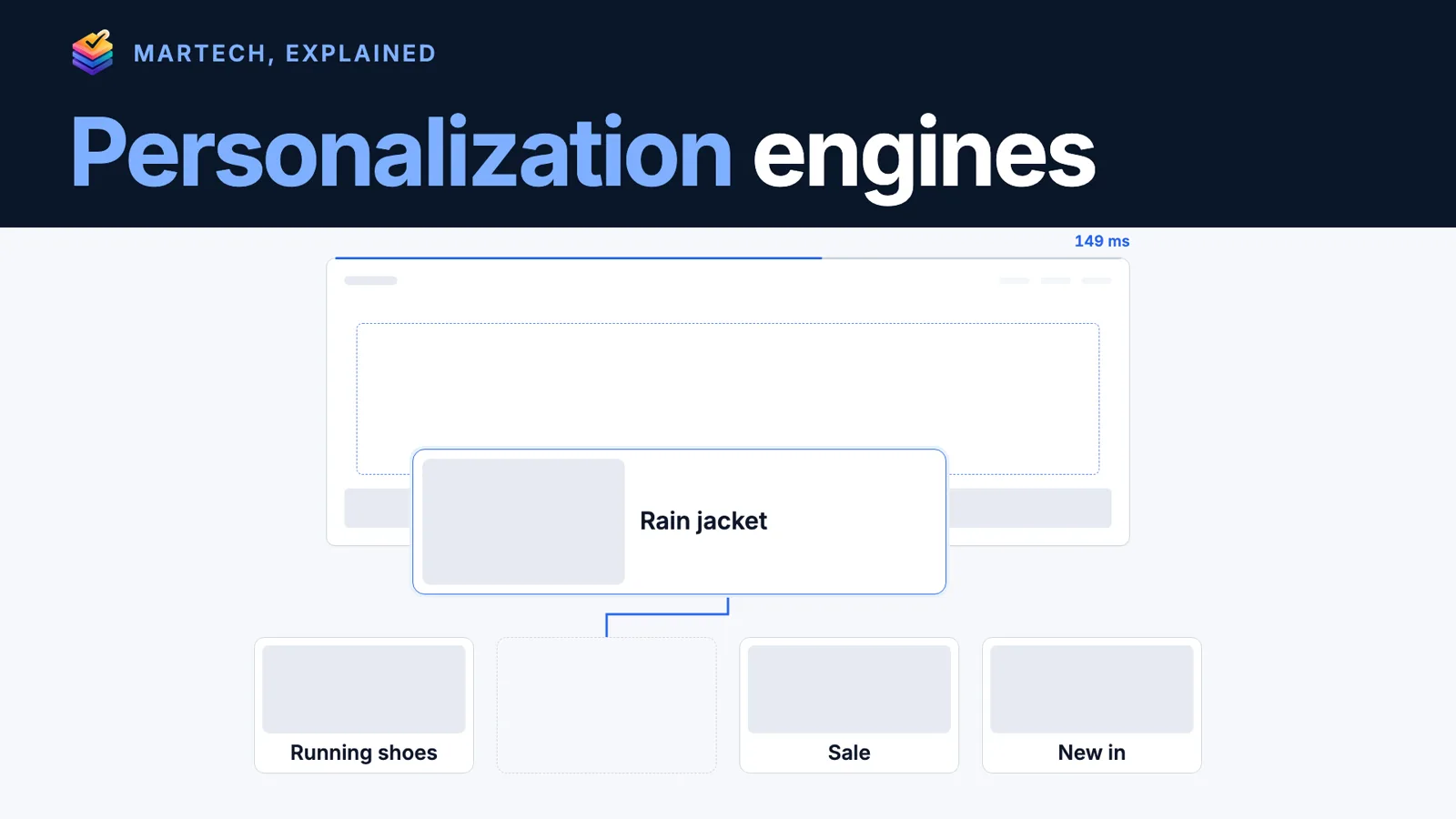
Coming: What is a headless CMS?, What is a DAM? and Video marketing platforms, explained
Data foundations
What every platform depends on: identity, timing, context and consent.
- 01
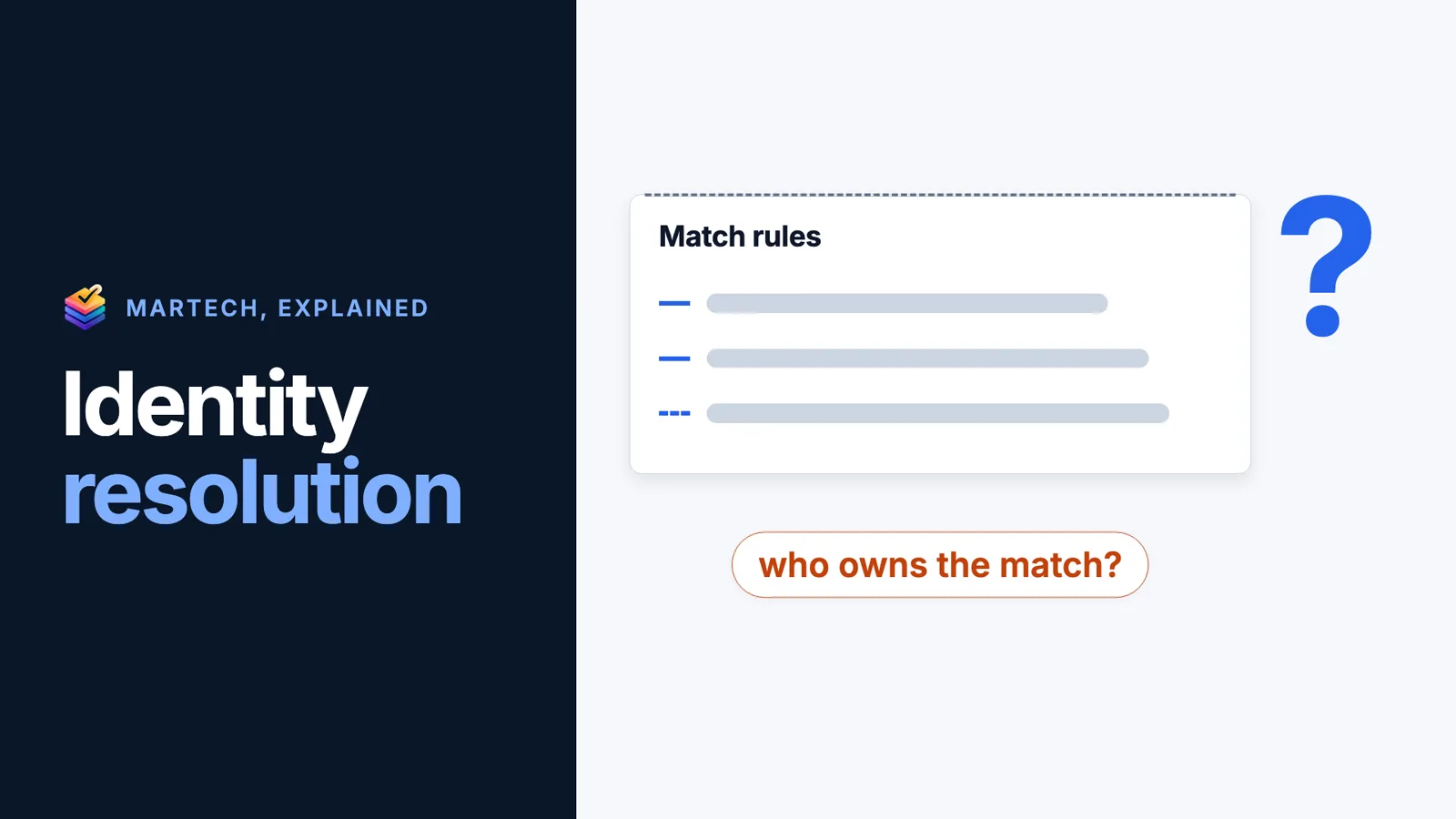 Identity resolution: who owns the match Two jobs, match and merge, and no answer key. The real choice is who owns the logic that decides two records are one person. 2:47 2:47
- 02
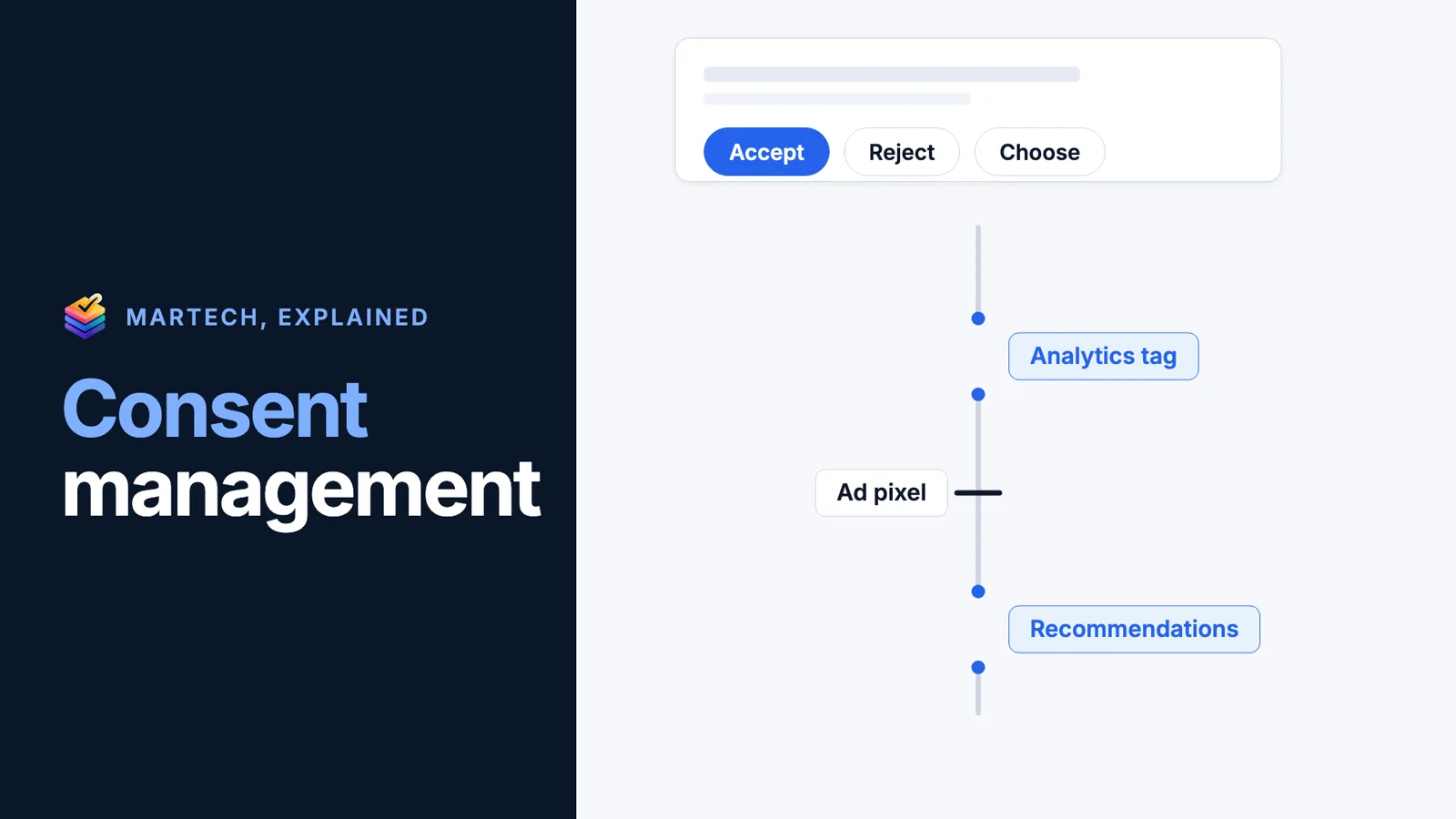 Consent management, explained Ask. Keep the proof. Tell your tools. A no is an answer. 2:09 2:09
Also in this group
Coming: What “real time” actually costs, How consent travels across your stack, Server-side tagging, explained, and 2 more
AI and agents in martech
What changes when software acts on its own: what it needs, who answers for it, how you measure it.
- 01
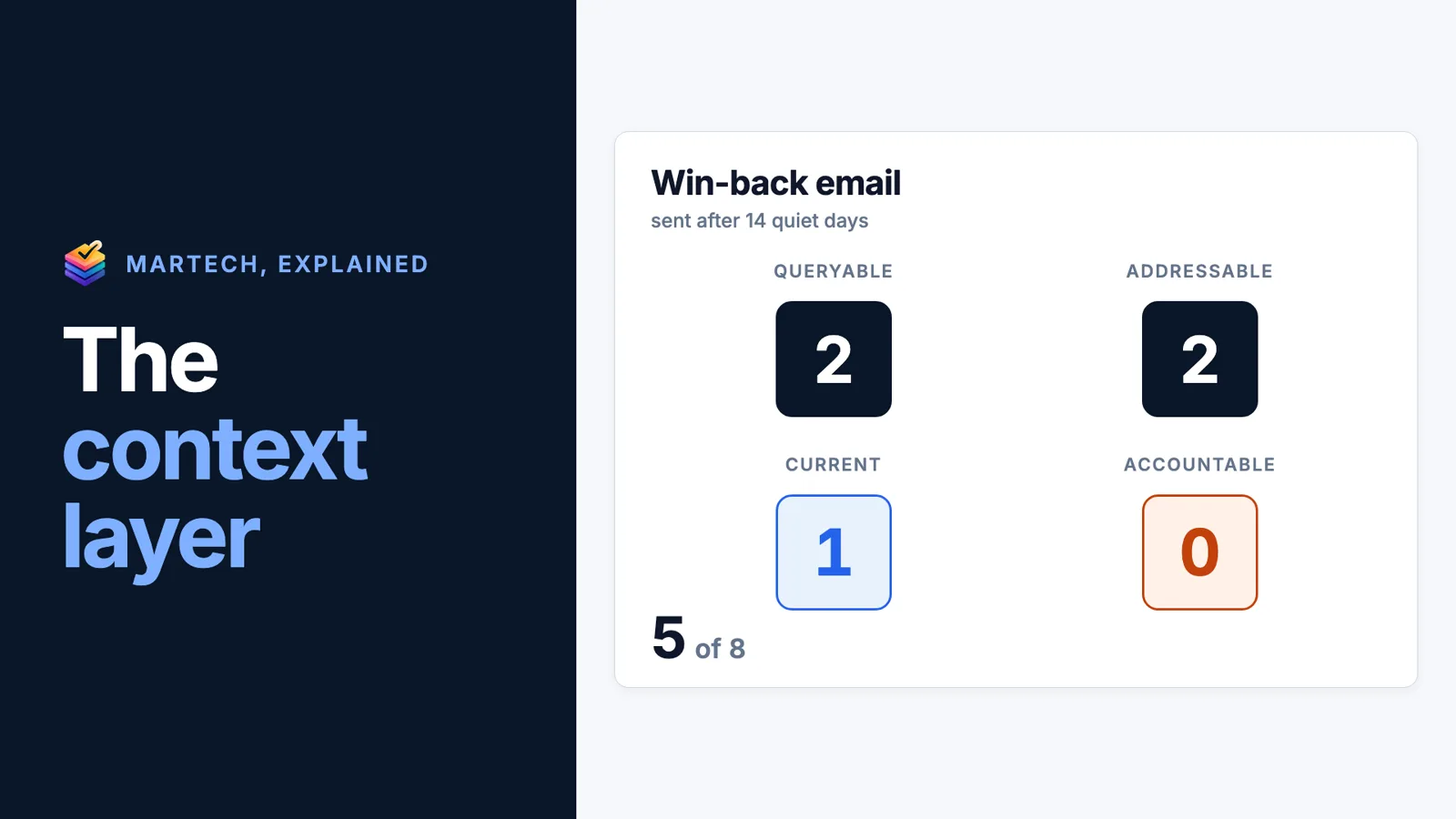 The context layer, explained Four things it has to do, why most stacks deliver two, and what happens when two systems disagree about the same customer. 2:35 2:35
- 02
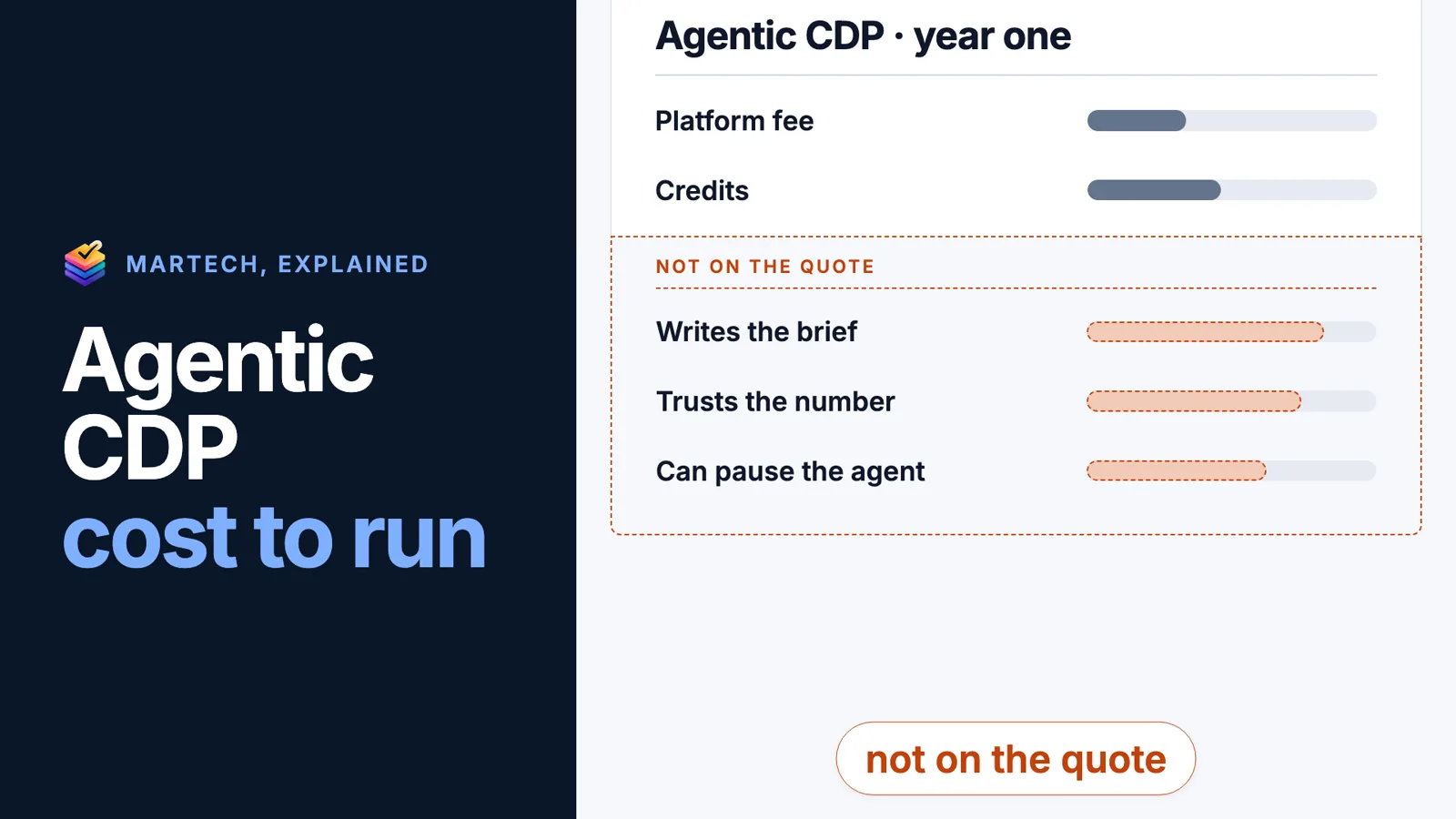 What does an agentic CDP cost to run? The license is on the quote. The people who steer the agent are under it. 2:07 2:07
Also in this group
Coming: What is an AI agent in martech? and How to measure what an AI agent does
Buying and running
What the meter counts, how to run a selection, and what to read before you renew.
- 01
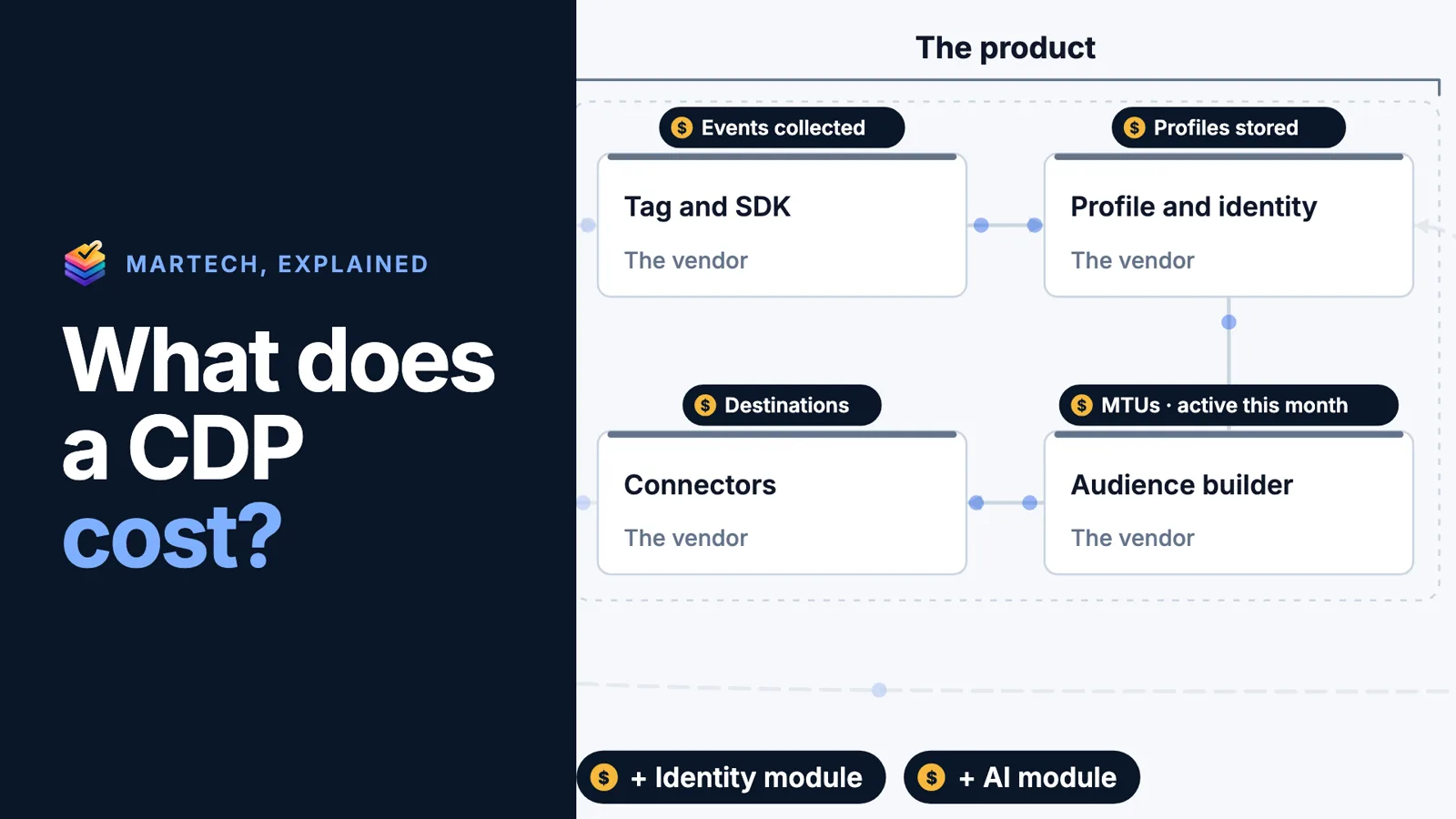 What does a CDP cost? Every pricing model hides a workload. The question is who carries it. 2:04 2:04
- 02
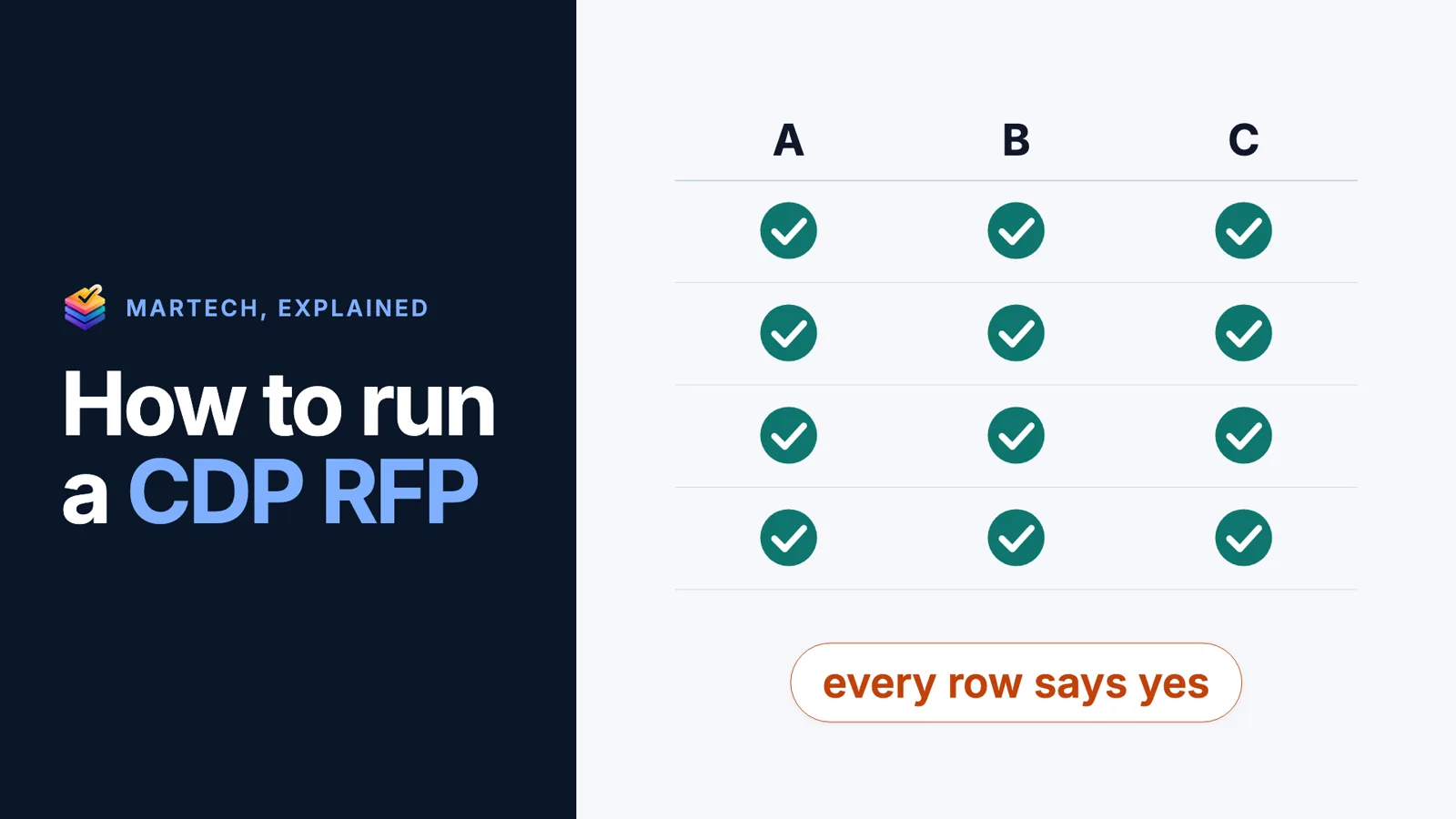 How to run a CDP RFP Use cases first, a shortlist you can explain, and every promise in writing. 2:26 2:26
- 03
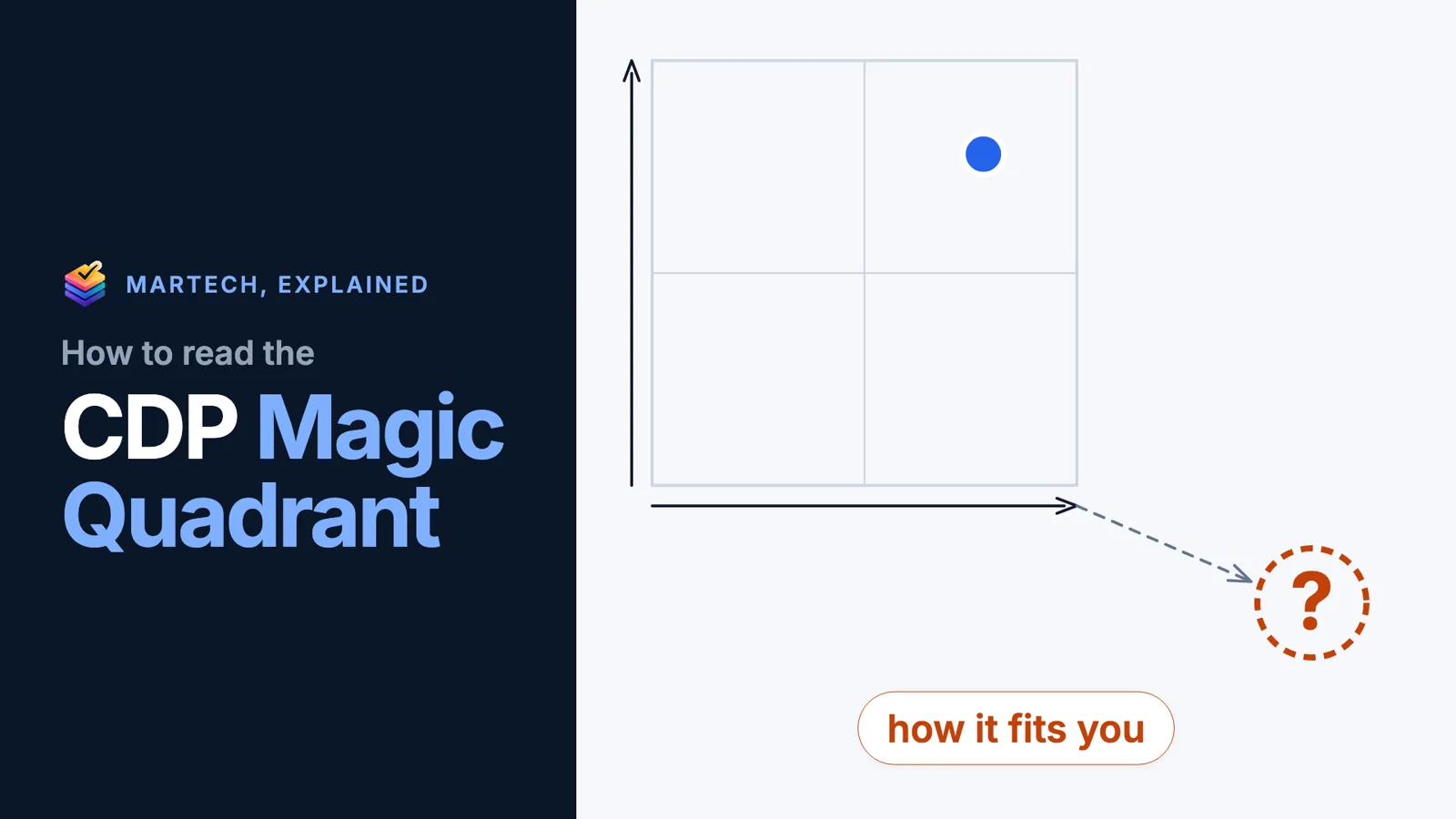 How to read the CDP Magic Quadrant Two axes, four boxes, and no axis for your team, your data or your governance. 2:26 2:26
- 04
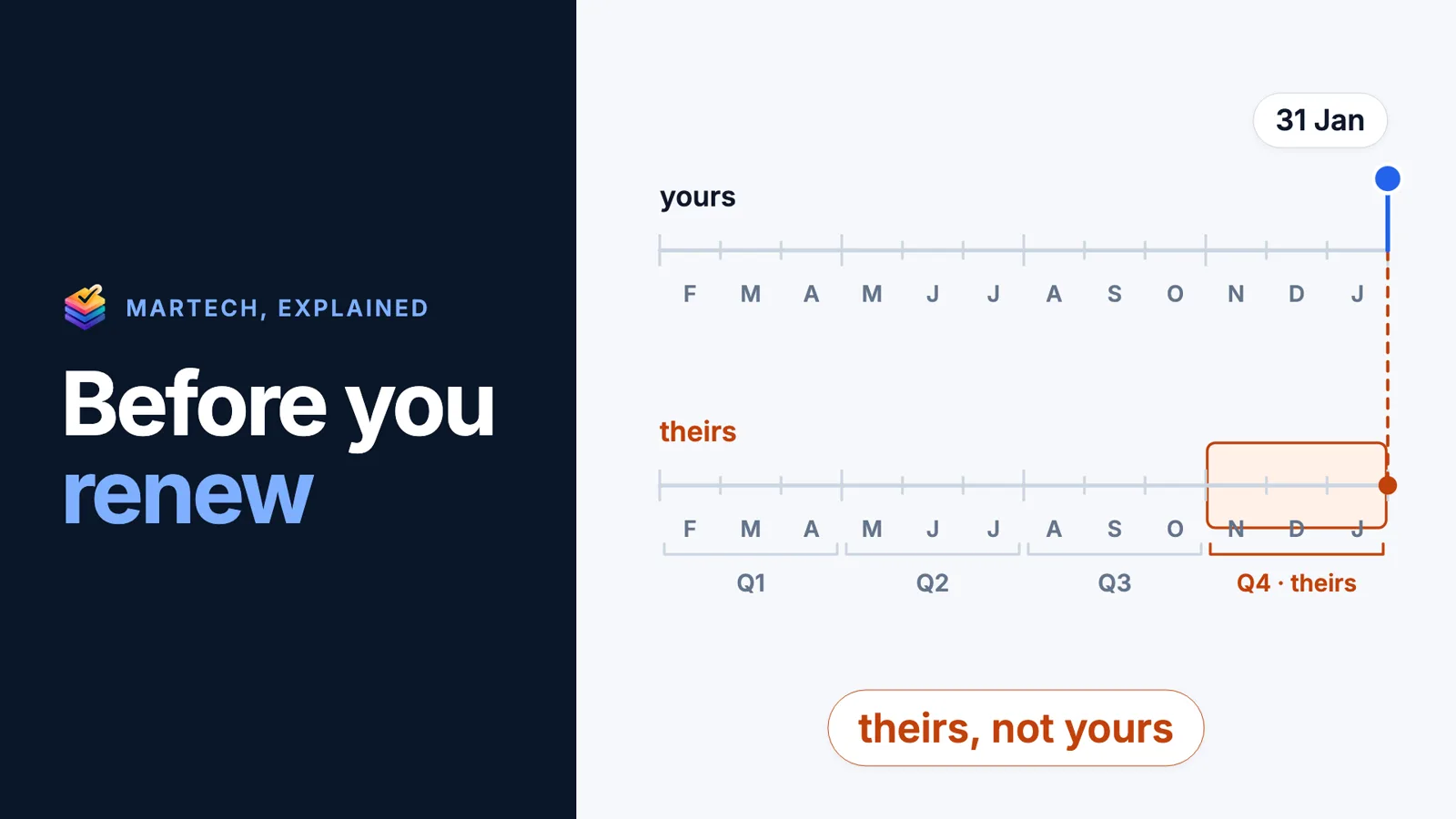 What your vendor's filings tell you before you renew Look at the date on your contract, and then look at theirs. 2:22 2:22
- 05
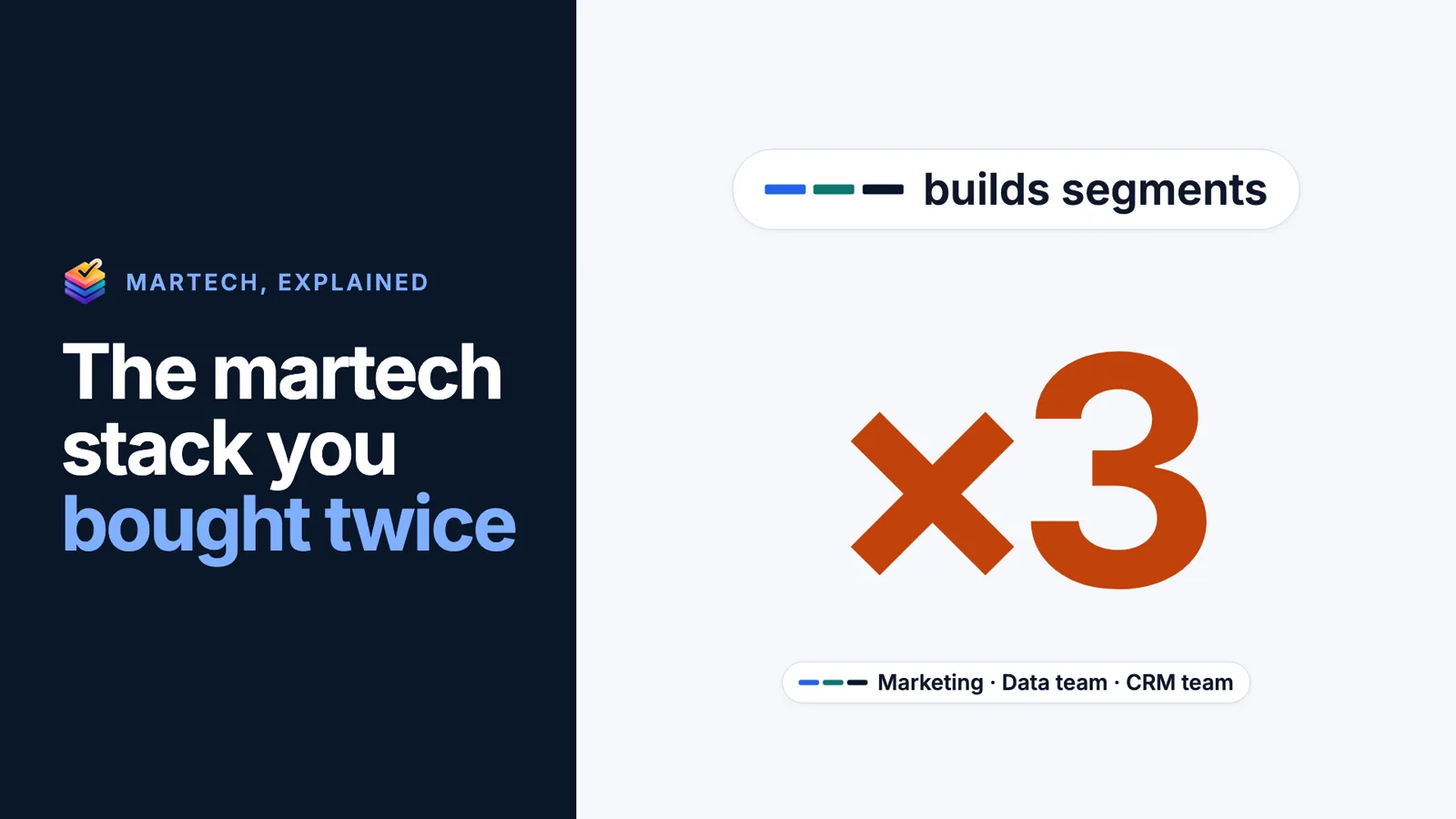 The martech stack you bought twice Unused features cost nothing. A second contract costs what the invoice says. 2:36 2:36
- 06
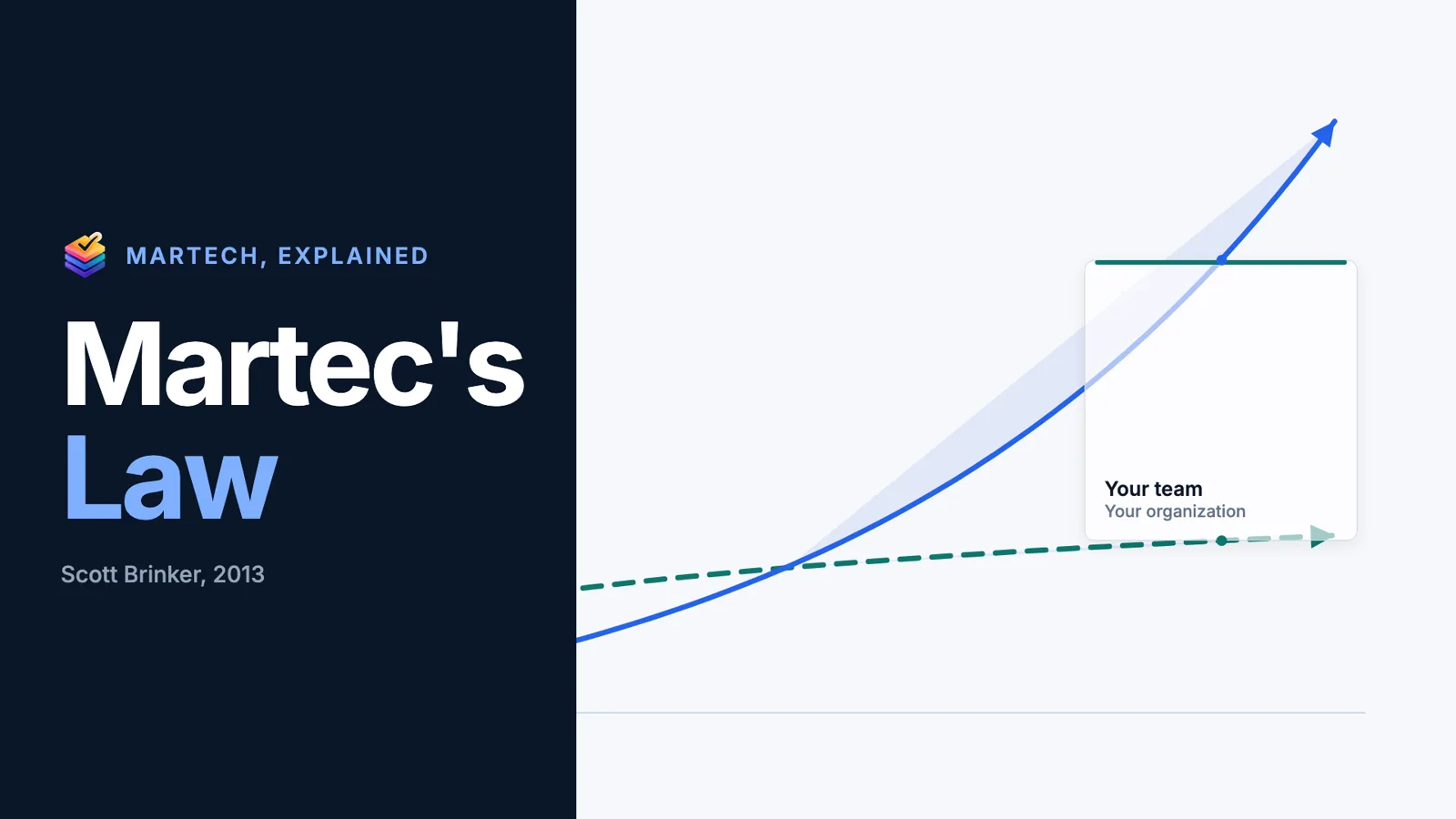 Martec's Law in two minutes Technology changes exponentially, organizations logarithmically. Most teams work in the gap. 2:00 2:00
Also in this group
Managing your stack
Knowing what you run, who owns it, and how it changes without breaking.
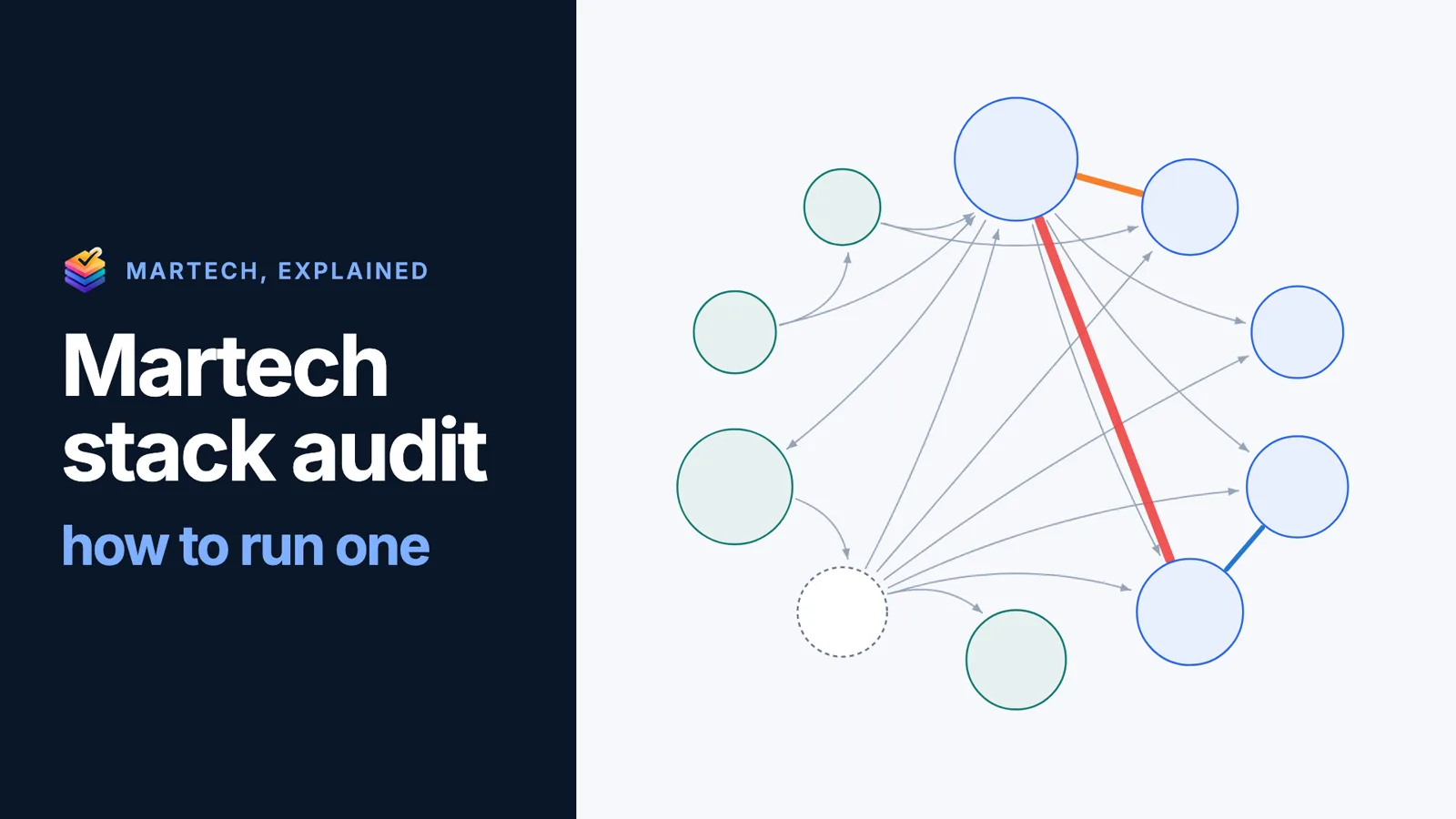
Coming: Who owns each tool in your stack?, Martech governance, explained, How to change your stack without breaking it, and 1 more
Working together
Drawing a stack everybody reads the same way, and the words and requests that move work.
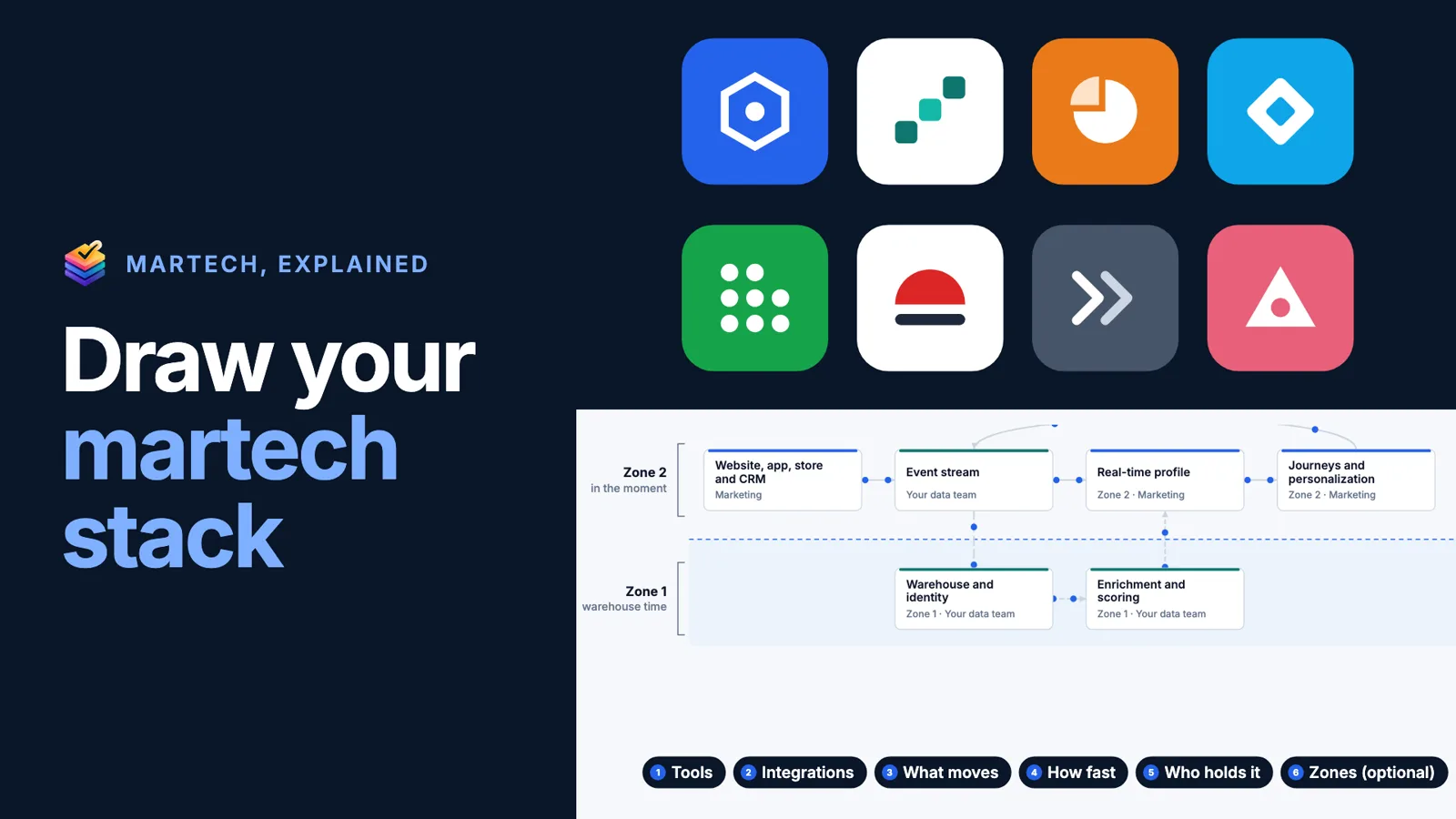
Coming: Same word, different meaning and How to write a data request someone can act on